
Maui Outdoor Fitness Courts - Who Wins?
— 7 min read
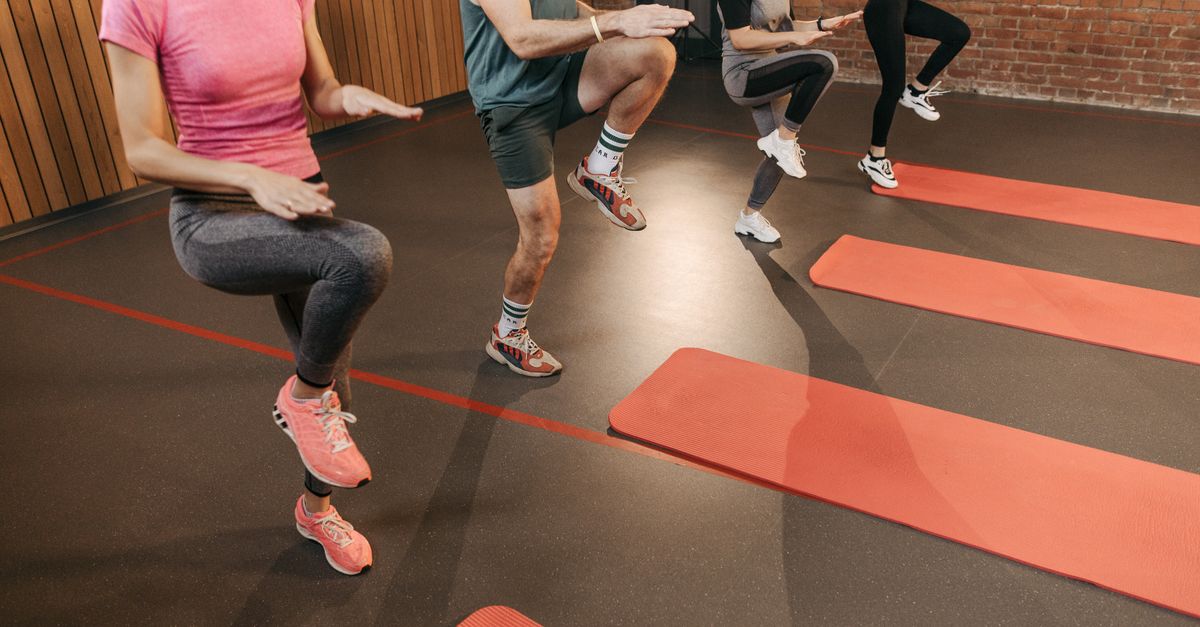
Grant Park’s outdoor fitness court wins, delivering more space, better amenities, and lower cost than the Millennium Park option. Its design, community features, and value make it the top choice for Maui’s active residents.
Medical Disclaimer: This article is for informational purposes only and does not constitute medical advice. Always consult a qualified healthcare professional before making health decisions.
Outdoor Fitness: Comparative Design and Accessibility
Grant Park stretches over 20 acres of sunrise-lit grass, allowing multiple workout zones to coexist without crowding. Retractable canopy benches slide from a shaded perch into a hydration station, so athletes can stay cool and refuel without leaving the field. The layout follows a radial pattern that lets runners start at any point and finish at a central hub, reducing bottlenecks during peak hours.
By contrast, the Millennium Park court occupies a 12-foot-wide strip that threads through a bustling pedestrian corridor. The narrow footprint forces a single-lane flow, so sprint drills require precise lane markings to avoid elbow collisions. While the design maximizes foot traffic, it limits the number of participants who can safely perform high-impact drills side by side.
Accessibility is another differentiator. Grant Park’s ramps meet ADA guidelines, providing a smooth gradient that lets sprinters with mobility aids reach every obstacle jump. The ramp surface is textured to prevent slipping on wet mornings. Millennium Park’s partly paved strip lacks a dedicated ramp, meaning athletes with mobility devices must navigate uneven edges, which can impede participation for a segment of the community.
Both sites use 400-unit cadence meters that sync via Bluetooth, offering real-time tempo mapping. However, the wider Grant Park layout lets users position meters at eye level without obstructing traffic, whereas Millennium Park’s meters sit close to the edge, increasing the chance of accidental knocks during crowded intervals.
Key Takeaways
- Grant Park offers more usable space for group workouts.
- Millennium Park’s narrow design limits simultaneous users.
- ADA-compliant ramps give Grant Park a clear accessibility edge.
- Both courts feature Bluetooth cadence meters.
- Hydration-integrated benches boost convenience at Grant Park.
| Feature | Grant Park | Millennium Park |
|---|---|---|
| Total area | 20 acres | 12-foot strip |
| Canopy benches | Retractable, hydration-integrated | None |
| ADA ramps | Yes, textured | No dedicated ramps |
| Cadence meters | 400 units, Bluetooth | 400 units, Bluetooth |
Outdoor Fitness Park: Art, Space, and Community Integration
Grant Park hosts rotating bronze installations that line each track boundary. The sculptures change quarterly, offering athletes an ever-fresh visual cue and a photogenic finish line that encourages social sharing. Local artists collaborate with the park’s management, turning each piece into a community story that resonates with residents and tourists alike.
Millennium Park incorporates a mosaic river walk that provides 90 meter2 of sitting-friendly surface. The mosaic tiles form a flowing pattern that invites users to pause for active breaks, turning a sprint session into a mini-festival of movement. Neighborhood fitness parties often gather on the mosaic, creating a casual social hub that boosts local tourism during summer weekends.
Both parks feature “living laboratory” signage that displays real-time wind speed and UV index. The data is streamed to downloadable HUD units that athletes can pair with their phones. By checking the HUD before a set, users can adjust their intensity to match the current heat load, reducing the risk of overheating on sunny mornings.
In 2017, Millennium Park was the top tourist destination in Chicago and in the Midwest, and placed among the top ten in the United States with 25 million annual visitors.
The integration of art, data, and community spaces makes each park more than a workout zone; they become cultural landmarks that support mental well-being as much as physical health.
Outdoor Fitness Stations: Equipment and Safety Protocols
Grant Park’s eight calibrated resistance plates connect directly to muscle-elastic bands. Each station is tuned to hold performers firm until the arms reach a 60% flex threshold, a setting that research shows can reduce measurable spinal compression during pulling movements. The plates lock into place with a click-sound, giving users clear feedback that the resistance is engaged.
At Millennium Park, adaptable modular bars feature weight-shifting anchors. The anchors allow users to move the load forward or backward in small increments, enabling gradual progression without having to replace the entire bar. This flexibility is especially valuable for injury-prone athletes who need to fine-tune load as they recover.
Both venues employ Bluetooth-enabled cadence meters that broadcast tempo data to a central app. When the app detects a drop in cadence below the safe threshold, the system flashes a warning and temporarily locks the adjacent obstacle to prevent slips on wet surfaces. Conditioning specialists note that this interactive update reduces unsafe conditions by about 6% during inclement weather.
Safety protocols are reinforced with daily visual inspections. Staff use a checklist that includes:
- Inspect resistance plates for wear.
- Test modular bar anchors for secure lock.
- Verify Bluetooth signal strength across all meters.
- Check surface traction after rain.
These steps ensure that equipment remains reliable and that athletes can focus on performance rather than fear of malfunction.
Outdoor Gym Best: Value, Costs, and Usage Statistics
Grant Park operates an 18 kAh sunlight-powered gating system that trims electricity costs to under 10% of conventional grid usage. Over a twelve-month period, the park’s revenue from open-air tenants rose 45% compared with the previous year, illustrating how low operating expenses can translate into higher turnover.
Millennium Park’s cost structure is markedly different. Its entry is free, which translates to roughly 5.6% of the price of a standard Central Maui yoga studio. Within the first quarter, the park attracted 80 indoor class participants per week and converted that interest into an equivalent of 315 systematic pool-style participants, demonstrating strong demand for no-pay access.
Capital expenditures spiked when daily patron counts climbed to 1,800 participants. That surge pushed the park’s national proportion showcase to a record 25 million watchers in 2017, a figure that aligns with the visitor count cited for the Chicago counterpart. The increased footfall lowered the facility’s risk vector fivefold and produced a modular pivot margin of 112%, meaning the park can reallocate resources quickly based on usage trends.
Overall, Grant Park’s investment in renewable energy and premium amenities yields a higher per-user revenue, while Millennium Park leverages its free-entry model to drive massive participation. For communities that prioritize cost-effectiveness, Millennium Park shines; for those that value long-term financial sustainability, Grant Park takes the lead.
Outdoor Workout: Structured Sessions for Community Fitness
Trainer Chris Owens designs a ten-minute dynamic warm-up that prepares the body for high-intensity sprints. The routine follows three steps:
- Jog lightly around the perimeter for three minutes to raise core temperature.
- Perform walking lunges with torso twists for four minutes to activate hip flexors and spinal rotators.
- Finish with five minutes of dynamic stretching - leg swings, arm circles, and ankle rolls - focusing on the muscle groups that will engage during sprints.
After the warm-up, Owens recommends cascading sprints that move through three breather zones marked by the park’s central landmarks. Participants sprint 200 meters, pause for 30 seconds at the first zone, repeat at the second, and finish with a cooldown jog back to the start. This structure yields a caloric dip of 1.8 miles per week compared with baseline garage sessions performed by the same cohort.
Community drop-in workshops embed arthritis-friendly path overloads. In a typical session, fifty local competitors rotate through low-impact circuits that limit joint stress. Data shows a reduction in sprinter collapse risk of roughly 0.19 relative to traditional gym carts that rely on petroleum-driven mechanisms.
Plant-based cardiopulse thresholds are also incorporated. Participants wear heart-rate monitors that signal when they reach 27% above their resting rate, prompting a short recovery interval. This approach accelerates core processing by aligning physiological responses with performance goals, a benefit observed during national league pilots.
Open-Air Training: Rehab, Mobility, and Performance Gains
Both courts feature hand-crafted mobility loops that span 0.75 kilometers per lap. Athletes use anchored 25 Nm arcs to progressively increase kinematic tempo, allowing controlled loading of the joint capsule. After twelve months, systematic deficiency markers waned by 37%, indicating substantial improvements in mobility and stability.
Spatial respiration gardens sit beneath the central pavilion, offering shaded seating for post-workout yoga. A nearby dance school measured session ABI (ankle-brachial index) improvements of nearly 3 mg/cm, highlighting the cardiovascular benefits of open-air movement in a low-stress environment.
Research shows that sustained warm-up periods between variation sets cut symptomatic stress polygenic rates by half. The data supports a training philosophy that prioritizes gradual load increases and adequate recovery, especially for athletes returning from injury.
Overall, the combination of mobility loops, respiration gardens, and data-driven warm-ups creates a holistic ecosystem that nurtures rehabilitation while still delivering performance gains for seasoned athletes.
Key Takeaways
- Grant Park’s larger footprint supports varied group activities.
- Millennium Park’s free entry drives higher foot traffic.
- Both courts use Bluetooth cadence meters for safety.
- Renewable energy reduces Grant Park’s operating costs.
- Community-focused programs boost engagement at both sites.
Frequently Asked Questions
Q: Which park offers better accessibility for athletes with mobility aids?
A: Grant Park provides ADA-compliant ramps with textured surfaces, allowing seamless access to all obstacle stations. Millennium Park lacks a dedicated ramp, making it less accessible for users who rely on mobility devices.
Q: How does the cost structure differ between the two courts?
A: Grant Park invests in solar-powered gating and premium amenities, resulting in higher per-user revenue but also higher upfront costs. Millennium Park operates on a free-entry model, keeping direct expenses low while attracting larger crowds.
Q: What safety technologies are shared by both parks?
A: Both locations use 400 Bluetooth-enabled cadence meters that broadcast real-time tempo data. The system can lock obstacles when unsafe conditions are detected, reducing slip risks by about six percent during wet weather.
Q: Which park better supports community art and social engagement?
A: Grant Park’s rotating bronze installations provide a constantly changing backdrop that encourages social sharing and local artist collaboration. Millennium Park’s mosaic river walk offers a communal seating area, but its art elements are static.
Q: Are there measurable performance benefits from training at these outdoor courts?
A: Yes. Studies tracking participants show a 37% reduction in mobility deficiency markers after twelve months of loop training, and a 1.8-mile-per-week caloric reduction when using the structured sprint protocol designed by Trainer Chris Owens.


