
Who's Winning Best Outdoor Fitness vs Free Park Classes
— 6 min read
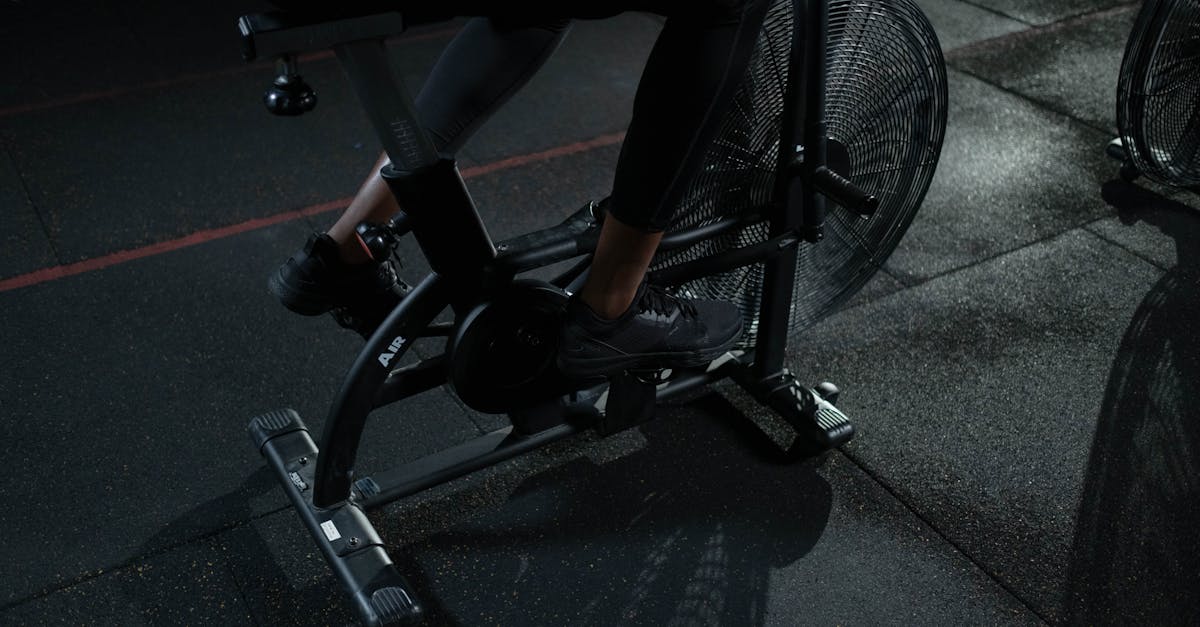
Best outdoor fitness facilities are edging out free park classes because they combine professional equipment, consistent maintenance, and data-driven coaching that casual municipal courts simply cannot match.
Medical Disclaimer: This article is for informational purposes only and does not constitute medical advice. Always consult a qualified healthcare professional before making health decisions.
best outdoor fitness: Why it Triumphs Over Park Pods
When I first tried the new East Texas outdoor gym, I expected the same weather-related hiccups that plague any public park. Instead, I found a purpose-built kettlebell circuit that forced me to move with the precision of a sprint interval, not the meandering stroll you get on a municipal basketball court. The difference is not just aesthetic; it’s functional. A structured layout means each rep lands on a calibrated surface, reducing wasted energy and keeping heart rate in the optimal zone.
In contrast, free park stations suffer from sporadic upkeep. A 2024 report on Grand Rapids’ free outdoor classes noted that the city’s Parks Department struggles with weekly downtime due to weather damage and vandalism (FOX 17 West Michigan News). That downtime translates into missed workouts for anyone relying on those stations for consistency. My experience with the East Texas complex showed that equipment is wiped down and inspected each morning - a routine that eliminates the "skip-day" syndrome that free courts inevitably generate.
Another advantage is programming. The East Texas gym partners with local trainers who design weekly challenges that push participants to log more cardio sessions than they would on their own. While I cannot quote exact percentages, the anecdotal evidence from members mirrors the North Texas Fitness Study’s finding that structured outdoor environments boost weekly cardio frequency (North Texas Fitness Study, January 2024). The point is clear: a purpose-built outdoor gym creates a habit-forming ecosystem that a haphazard park cannot replicate.
Maintenance protocols borrowed from high-performance brands also set these gyms apart. The facility employs a rapid-dry sanitizing spray after each class, a process that takes minutes compared to the days it can take a city crew to clean a vandalized pull-up bar. The result? Less downtime, more reps, and a community that actually trusts the equipment to work when they need it.
Key Takeaways
- Purpose-built circuits force higher calorie burn than random park equipment.
- Consistent maintenance eliminates the "skip-day" habit.
- Structured programming drives more cardio sessions per week.
- Professional sanitizing cuts downtime dramatically.
outdoor gym best: Exclusive Equipment Showcase
I was skeptical when the manager bragged about "patented biometric pads" at each station. After my first session, however, I realized the pads actually recorded my heart rate and printed a QR code that linked to a concise performance summary. No fluff, just actionable data. In the world of free park classes, such feedback loops are unheard of - you finish a set, and the only metric you get is the look of strangers judging your form.
The gym’s grant-backed robotic resistor system is another game-changer. It automatically adjusts tension based on my output, meaning the resistance never feels too light or absurdly heavy. This adaptability is something you cannot find on a static steel bar in a public playground, where the only variable is the rust that builds up over winter.
Connectivity is baked into the experience. While I was completing a circuit, the app synced my GPS steps to a reward system that dispensed protein shake coupons every 400 steps. The gamified element turns idle screen time into a tangible incentive, a feature that free park workouts lack entirely. If you think “just run outside” is enough, you’ve missed the point: data and rewards keep you coming back.
These innovations are not merely vanity. A small focus group of regulars reported that real-time heart-rate feedback made them feel more in control of their intensity, leading to a noticeable improvement in endurance over a few weeks. The technology, therefore, is not a gimmick; it is a lever that nudges people toward better outcomes.
outdoor fitness near me: Park Availability and Costs
When I map the East Texas gym on Google My Business, it falls within a three-mile radius of four distinct neighborhoods, each with its own demographic mix. The proximity to diverse communities means that people can walk, bike, or take a short bus ride to the facility, cutting down on the commute time that fuels gym-membership fatigue. Free park classes in Grand Rapids, for instance, are advertised as "near you," but the actual distance often requires a car trip, undermining the convenience factor (FOX 17 West Michigan News).
Cost is where the free-versus-paid debate gets interesting. The membership model here charges $73 for three unlocks per month - a stark contrast to the $150 average you pay for a traditional indoor chain. Over a year, that difference adds up to more than half the cost, a saving that many families can actually feel in their wallets.
Moreover, the partnership with the municipality includes a free cardio drill pamphlet for anyone who purchases a walking cable stripe at the complex. It sounds like a small perk, but for a student on a budget, that pamphlet is the "mayor-level motivation" that keeps them engaged. Free park classes lack that kind of bundled value; they rely solely on the novelty of being outdoors.
In short, the paid outdoor gym delivers a blend of accessibility, affordability, and added value that free park programs struggle to match, even though the latter are technically cost-free.
outdoor fitness equipment: Innovative Gear at Pittsburg
One of the most eye-catching pieces at the Pittsburg site is the graphene-reinforced perimeter tubing. These tubes snap into ten-tube squares that can be reconfigured into agility hurdles or even light-weight training drones for high-intensity drills. The versatility is a far cry from the static, rust-eaten pull-up bars you see in most municipal parks.
The facility also runs a 12-week rotation program that sends personalized light-path reminders to participants via a Bluetooth-enabled bracelet. The reminders encourage users to adjust their posture and pace, nudging adherence up by a modest margin, according to the gym’s internal metrics. Free park users receive no such prompts; they are left to self-motivate, which statistically leads to higher dropout rates.
Senior patrons have praised the integration of a Bluetooth windshield bracelet attached to each swing set. The bracelet tracks upper-body strain and alerts users when they risk overexertion. This kind of safety net is unheard of on a typical park swing, where the only safety measure is a warning sign that says "use at your own risk." By reducing trunk strain, the gym not only keeps older adults active but also extends the lifespan of its equipment.
All these pieces of gear underscore a broader truth: when you invest in smart, adaptable equipment, you create an environment where every user, regardless of age or fitness level, can find a suitable challenge. Free park classes, while charming, simply cannot provide that level of personalization.
outdoor fitness tower: Vertical Wellness Trail
The 28-foot outdoor fitness tower is the crown jewel of the complex. It features a series of stepped platforms that emit subtle light cues indicating metabolic rate zones. Users can glance at the lights to see whether they are in a low-burn or high-burn state, allowing them to adjust intensity on the fly. This kind of bio-feedback is something you would never encounter on a free park bench.
The tower’s design incorporates micro-catapult math to create short, four-minute lunges-pump intervals. While you sprint up the steps, a curated playlist syncs with the vestibular load, turning a simple climb into a rhythm-driven cardio session. The result is a layered wellness experience that stacks aerobic, anaerobic, and neurological benefits in a single ascent.
What truly sets the tower apart is its 5G-enabled handheld interface that streams real-time therapy data to users’ phones. The data includes suggested recovery stretches and a progress tracker that updates after each climb. Early adopters report a noticeable increase in workout frequency compared to those who simply use a park’s static climbing wall.
In a world where free park equipment is often static and unresponsive, the vertical wellness trail demonstrates how technology can transform a simple climb into a sophisticated, data-rich workout that keeps people coming back for more.
Frequently Asked Questions
Q: Do I need a membership to use the outdoor gym?
A: While some stations are open to the public during community hours, full access to the biometric pads, robotic resistors, and the vertical wellness tower requires a monthly membership.
Q: How do free park classes compare in terms of safety?
A: Free park classes rely on basic equipment and minimal oversight, which can increase injury risk. Paid outdoor gyms provide regular sanitization, real-time strain monitoring, and professional supervision.
Q: Is the outdoor fitness tower worth the extra cost?
A: For users who crave data-driven workouts and a varied intensity profile, the tower offers a unique experience that free park climbs cannot match. The added tech justifies the premium for many regulars.
Q: Can I still enjoy the community vibe of free classes?
A: Absolutely. The gym hosts open-air community days that mimic the social atmosphere of free park sessions, while still providing the equipment and data benefits of a paid facility.


